As hurricane season officially begins along the Texas Gulf Coast, many residents are hearing encouraging news: forecasters are predicting a below-normal Atlantic hurricane season for 2026. While that may sound reassuring, experts continue to stress an important message for Texans: it only takes one storm to create devastating impacts.
For homeowners, businesses, coastal communities and emergency planners across Texas, understanding what “below normal” actually means is critical. Even during quieter seasons, hurricanes can still produce catastrophic flooding, storm surge, wind damage and long-term disruptions.
Here’s what Texans should know about the 2026 hurricane season forecast and why preparation remains just as important as ever.
What Forecasters are Predicting for the 2026 Hurricane Season
The National Oceanic and Atmospheric Administration (NOAA) is forecasting a below-average Atlantic hurricane season for 2026. Current projections estimate:
- 8–14 named storms
- 3–6 hurricanes
- 1–3 major hurricanes (Category 3 or stronger)
Historically, the Atlantic basin averages about 14 named storms, 7 hurricanes and 3 major hurricanes per season. NOAA currently gives the 2026 season a 55% chance of being below normal.
Private forecasting organizations like AccuWeather and Colorado State University also anticipate a quieter season overall, though they continue to emphasize uncertainty and regional risk.
The Atlantic hurricane season runs from June 1 through November 30, with peak activity typically occurring between August and October.
Why Experts Expect Fewer Storms in 2026
The biggest reason behind the calmer forecast is the expected development of El Niño conditions in the Pacific Ocean.
El Niño is a climate pattern characterized by warmer-than-average ocean temperatures in the equatorial Pacific. When El Niño strengthens, it often increases wind shear over the Atlantic basin. Strong wind shear disrupts the development and organization of tropical systems, making it harder for hurricanes to form and intensify.
NOAA estimates there is a strong likelihood that El Niño will develop and strengthen throughout the summer and fall of 2026.
However, forecasting hurricanes is never simple. Other atmospheric and oceanic factors can still influence storm formation, including:
- Warm Gulf of America water temperatures
- Weaker trade winds
- Tropical moisture patterns
- Saharan dust outbreaks
- Jet stream positioning
Even with El Niño suppressing some activity, the Gulf Coast can still experience dangerous storms.
Why Texans Should Never Let Their Guard Down
A below-normal season does not mean “no hurricanes.”
Texas residents know this reality well. Some of the most destructive storms in U.S. history occurred during years that were not considered especially active overall.
Forecasters and emergency officials continue to repeat one important phrase: “It only takes one.”
A single hurricane making landfall along the Texas coast can cause billions of dollars in damage and disrupt communities for months or even years.
Texas faces several unique hurricane risks:
Storm Surge: Coastal communities from Brownsville to Beaumont remain vulnerable to storm surge flooding. Surge is often the deadliest part of a hurricane because rapidly rising seawater can inundate neighborhoods with little warning.
Inland Flooding: Even communities far from the coast can experience severe flooding. Hurricanes frequently dump massive amounts of rainfall across Southeast and Central Texas. Houston, in particular, remains highly vulnerable to flash flooding due to urban development and drainage limitations.
Wind Damage: Strong winds can damage homes, businesses, power lines and infrastructure. Major hurricanes can leave entire communities without electricity for extended periods.
Tornadoes: Hurricanes and tropical storms can also produce tornadoes, especially in outer rain bands moving inland across Texas.
The Gulf of America Remains a Major Concern
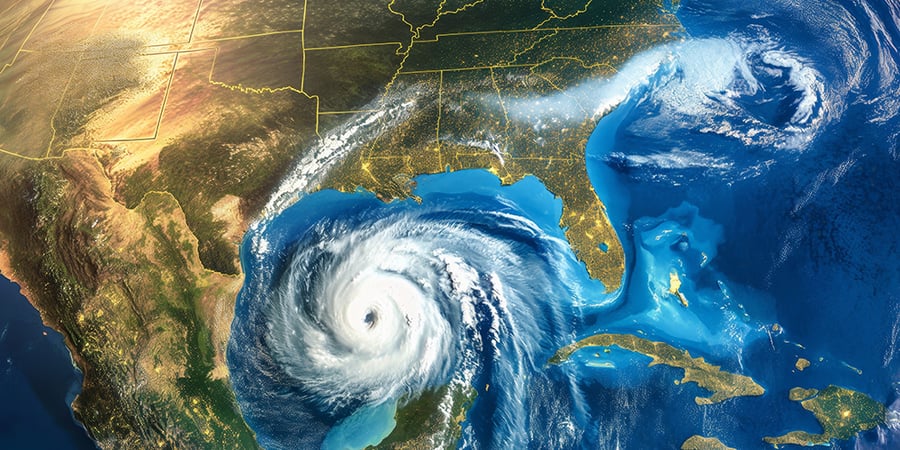
Even during quieter Atlantic seasons, the Gulf of America can still become a hotspot for rapid storm intensification.
Warm Gulf waters can fuel storms quickly, giving communities less time to prepare before landfall. This is especially concerning for Texas because storms developing in the western Gulf may intensify rapidly near the coastline.
Meteorologists continue to monitor sea surface temperatures closely throughout the summer. While El Niño may suppress Atlantic-wide activity, unusually warm Gulf waters could still support dangerous storms near Texas.
For Texans, this means staying weather-aware throughout hurricane season remains essential.
Hurricane Preparedness Still Matters in 2026
Emergency management officials across Texas are encouraging residents not to become complacent because of the quieter forecast.
Preparing before a storm forms is one of the most effective ways to reduce risk and stress during hurricane season.
Build or Update an Emergency Kit
Every household should have emergency supplies that can last several days, including:
- Bottled water
- Non-perishable food
- Flashlights and batteries
- Medications
- First-aid supplies
- Phone chargers
- Important documents
- Pet supplies
Review Insurance Coverage
Many homeowners are surprised to learn that standard insurance policies often do not cover flood damage. Texans in flood-prone areas should review flood insurance options well before a storm threatens the coast.
Know Your Evacuation Zone
Residents along the Texas coast should familiarize themselves with local evacuation routes and county evacuation zones before an emergency occurs.
Protect Your Property
Simple steps like trimming trees, checking roofs, securing outdoor furniture and testing generators can help minimize damage during severe weather.
Stay Informed
Reliable weather information is critical during hurricane season. Texans should monitor updates from the National Hurricane Center, NOAA and local emergency management agencies throughout the season.
Technology is Improving Hurricane Forecasting
One encouraging development for 2026 is the continued advancement of hurricane forecasting technology.
Meteorologists are using improved satellite systems, drones, AI-assisted forecasting models and enhanced ocean monitoring tools to better predict storm tracks and intensity.
These improvements can provide earlier warnings and more accurate forecasts, helping communities make better-informed decisions before storms arrive.
Still, forecasting exact storm paths and intensification remains challenging, especially in the Gulf of America, where conditions can change rapidly.
Why Hurricane Preparedness Still Matters in Texas in 2026
The 2026 Atlantic hurricane season may ultimately prove quieter than recent years, but Texans should resist the temptation to relax completely.
A below-normal season still has the potential to produce dangerous hurricanes capable of impacting homes, businesses, infrastructure and entire communities across the Gulf Coast.
Preparation, awareness and early planning remain the best defenses against hurricane season uncertainty.
For Texas residents, the message is simple: hope for a quiet season, but prepare for the possibility of a powerful storm.